Product Catalog
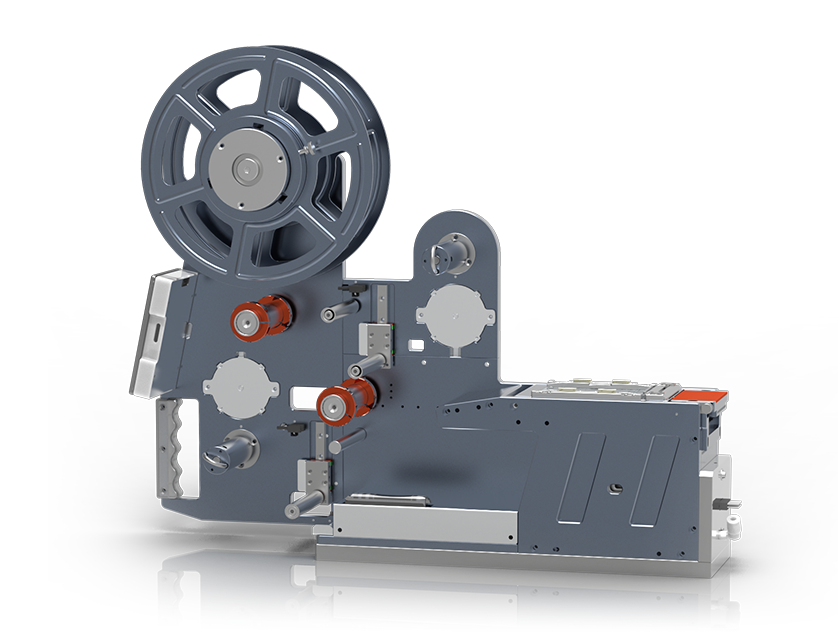
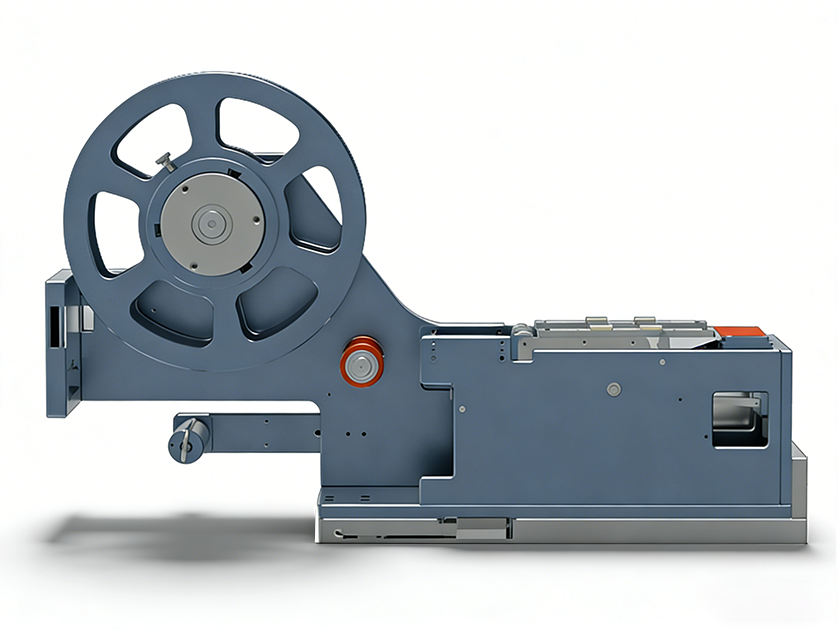
RED-CMF-S
Short Feeder
More aesthetically pleasing layout inside the equipment
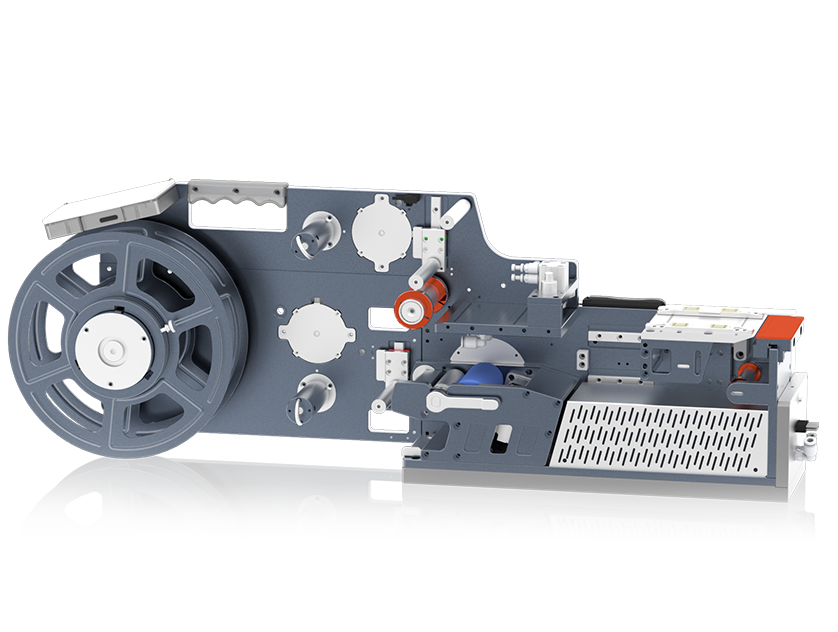
RED-CMF-L
Long Feeder
More convenient for material change outside the equipment
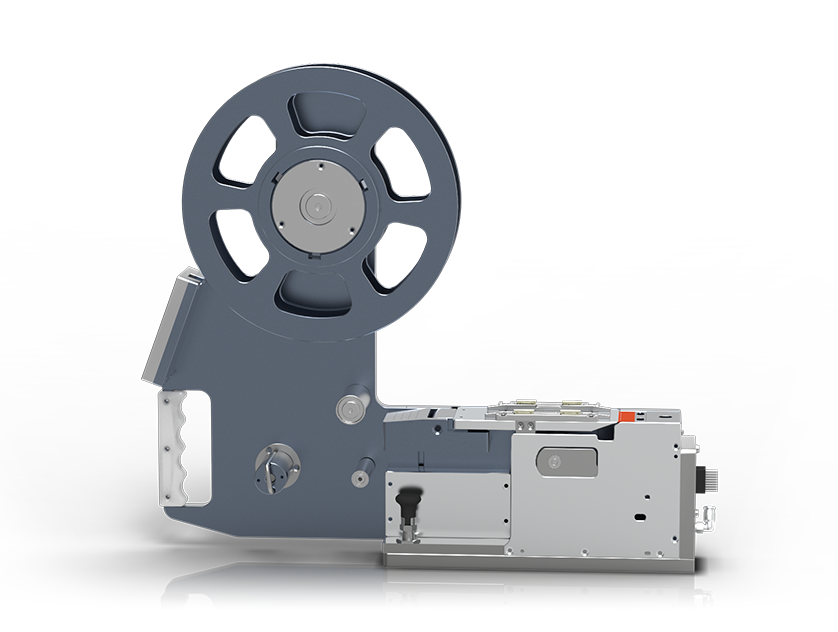
ARD-CPF-S
Compact Short Feeder
More layout in limited space
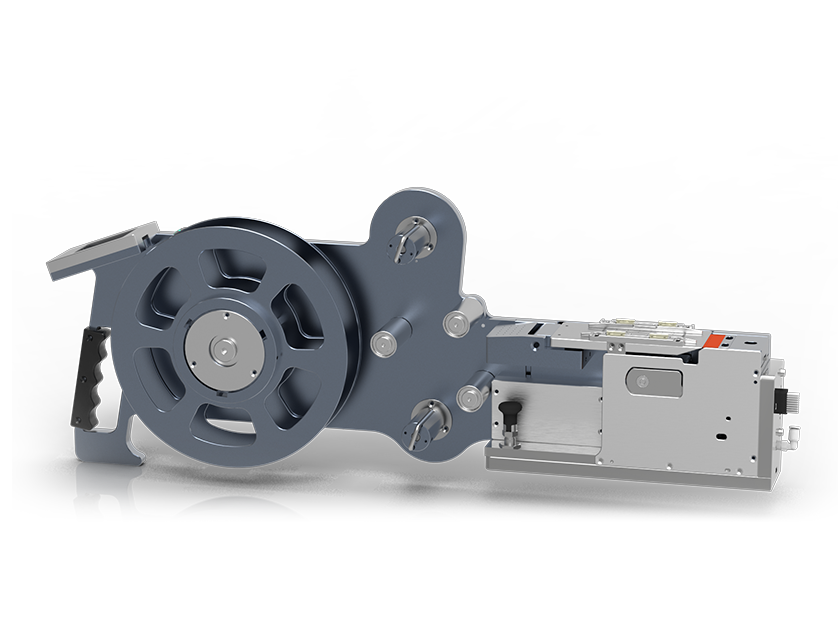
ARD-CPF-L
Compact Long Feeder
More layout in limited space
ARD-LBSD100-S
Front Push Lift Custom Edition
For die-cut materials with no gap and strong adhesion
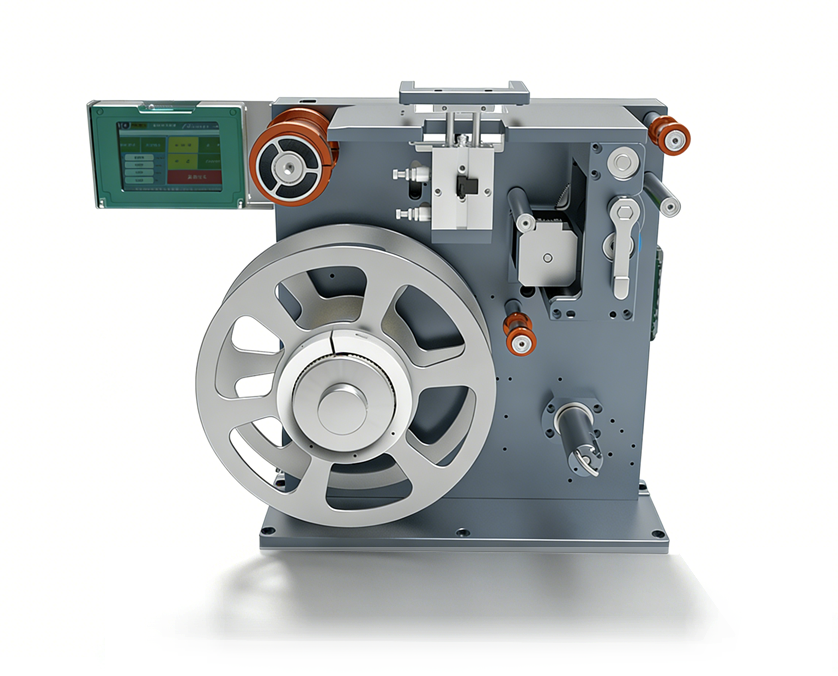
RED-CMF
Easy Tear Feeder
For easy-to-peel label materials
Application Scenarios
Feeding Principle
Advantages
The peel-first-then-pick mode can peel multiple rows of materials at a time with fast action and high efficiency, simple structure, and convenient operation. Obvious relative cost advantage.
Disadvantages
Materials are pushed to the non-stick platform by release force, while subject to reverse friction interference, some materials are prone to feeding position deviation.
Selection Parameters
1. Backing paper width
2. Coil inner/outer diameter
3. With/without upper protective film
4. Size and arrangement of single material
Basic Requirements
• Material and backing film reverse folding test easy to separate, no obvious overflow of glue.
• Backing paper priority PET material and no elasticity, thickness 0.05mm is best;
• No knife marks on backing paper, otherwise abnormal breakage or delamination will occur during peeling;
• No joints on backing paper, reserve 1m blank tape at head and tail, material distance from edge not less than 5mm, single material front, back, left and right need to have a gap greater than 2mm.